

Finding fresh lunch-and-learn topics gets harder every quarter. Your team has heard the standard talks, and their attendance shows it. As a result, many sessions feel like one more meeting with a sandwich.
Meanwhile, good corporate lunch-and-learn topics change that. They give people something useful they can apply by Friday. Below are 30 ideas across six categories, from nutrition to team culture. This way, you can build a calendar your employees actually look forward to!
A corporate lunch-and-learn is a short, educational session held over the midday meal.
Employees eat together while a speaker presents a practical topic. The goal here is simple: teach something people can use right away. Additionally, because sessions happen during the workday, participation is easy.
That said, let’s take a look at the benefits. A well-run lunch-and-learn can:
As for hosting a lunch-and-learn, it’s pretty straightforward. Start with the format. In-person sessions encourage conversation. Virtual lunch-and-learns let remote staff join from anywhere. Hybrid sessions combine both, so the speaker needs to engage the screen as well as the room.
Next, keep it to one hour. That leaves roughly 45 minutes for the talk and 15 for questions after. Additionally, bring in an expert speaker. A qualified presenter holds attention and gives employees advice they can trust. HEAL’s expert-led lunch-and-learns follow this model.
Finally, offer food. A shared meal sets a relaxed tone. Ask about dietary needs in advance so everyone can join in. Healthy options also reinforce the wellness message. Once the logistics are set, the topic determines how well the session lands.
Food shapes how your team feels and performs. Start here.

Teach employees which foods fuel steady concentration. A speaker can cover balanced plates, the importance of protein at breakfast, and the role of hydration. Since energy dips hurt productivity, attendees leave with simple swaps they can make at their desks tomorrow.
HEAL delivers this as an expert-led lunch-and-learn.
Busy evenings make takeout tempting. This session shows employees how to build a nutritious dinner in half an hour. Expect pantry staples, quick cooking methods, and sample recipes. As a result, healthy eating feels realistic on a weeknight.
Explore HEAL’s nutrition sessions.
Digestion affects comfort, mood, and energy. A nutrition expert can explain fibre, fermented foods, and how stress influences the gut. Attendees learn practical ways to support digestion through everyday meals.
HEAL covers gut health in its workplace lunch-and-learns.
Food and mood are closely linked. This talk covers nutrients that support the nervous system, such as magnesium and omega-3s. It also explains how skipped meals and sugar spikes affect irritability. Since stress is part of most workdays, attendees leave with food habits that help.
Planning ahead prevents vending machine runs. Show employees how to prep snacks and lunches in a single weekend. Cover portioning, storage, and balanced combinations, such as protein with fibre. As a result, teams stay fuelled and focused through back-to-back meetings.
Stress touches every role in an office. These topics give your team the necessary tools to handle stress appropriately.
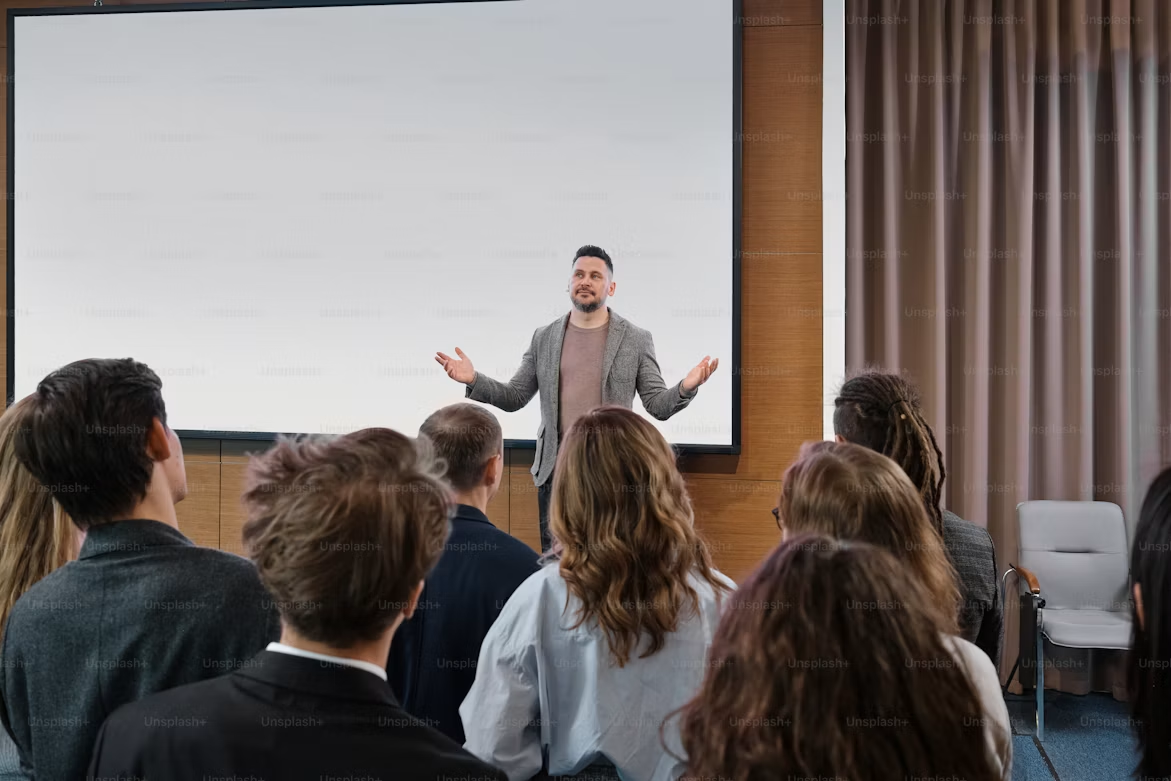
Start with the fundamentals. A speaker can explain common signs of poor mental health, how to reduce stigma, and where employees can find support. Since awareness comes before action, this session gives everyone shared language.
HEAL offers mental wellness sessions for teams.
Burnout builds slowly. This session helps employees spot early warning signs, such as irritability, fatigue, and poor focus. Attendees learn practical tools, including breathing techniques, priority setting, and recovery habits for busy days. That way, they can act before stress takes over.
Mindfulness takes only minutes a day. An instructor can guide a short meditation, explain how attention training lowers stress, and share simple exercises for desk use. Since many employees have never tried it, a guided first experience removes the guesswork.
Book a mindfulness session with HEAL.
Change is constant at work. This talk teaches employees how to adapt to new roles, restructures, and shifting priorities. Topics include reframing setbacks, leaning on support networks, and protecting routines.
For instance, attendees practise a simple plan for the next time something unexpected lands on their desk.
Inner dialogue shapes performance. This session helps employees recognize critical self-talk and replace it with constructive language. Practical exercises cover handling mistakes, accepting feedback, and speaking up in meetings.
As such, attendees build confidence that carries into presentations, reviews, and everyday collaboration.
Rest fuels everything else. These topics can help your team rest and recover.

Poor sleep drains focus and patience. A sleep expert can cover consistent schedules, wind-down routines, and bedroom setup.
They can also address common barriers, such as late-screen use and irregular shifts. Since small changes add up, attendees leave with one or two habits to try that week.
Hormones influence energy, mood, and sleep. This session explains how stress, nutrition, and life stages, such as perimenopause, affect them.
Attendees learn lifestyle strategies that support balance, including regular meals and movement. Additionally, the topic opens a respectful conversation that many workplaces overlook.
Constant notifications and video calls wear people down. This talk covers the 20-20-20 eye rule, notification limits, and meeting-free focus blocks. Attendees also learn how to set screen boundaries after hours. As a result, they finish the day with more energy and less eye strain.
Skipping breaks feels productive but lowers output over time. This session explains how short pauses restore attention and how to take them well. Ideas include stepping outside, eating away from the desk, and scheduling micro-breaks. Fortunately, even five minutes helps.
The 3 p.m. slump has its reasons. A nutrition expert can explain how caffeine timing and sugar spikes affect energy. Attendees learn to balance meals, space out coffee, and choose snacks that last. Since the fix starts at lunch, this topic pairs well with a shared meal.
Desk jobs take a huge physical toll. Get your team moving by discussing the following.
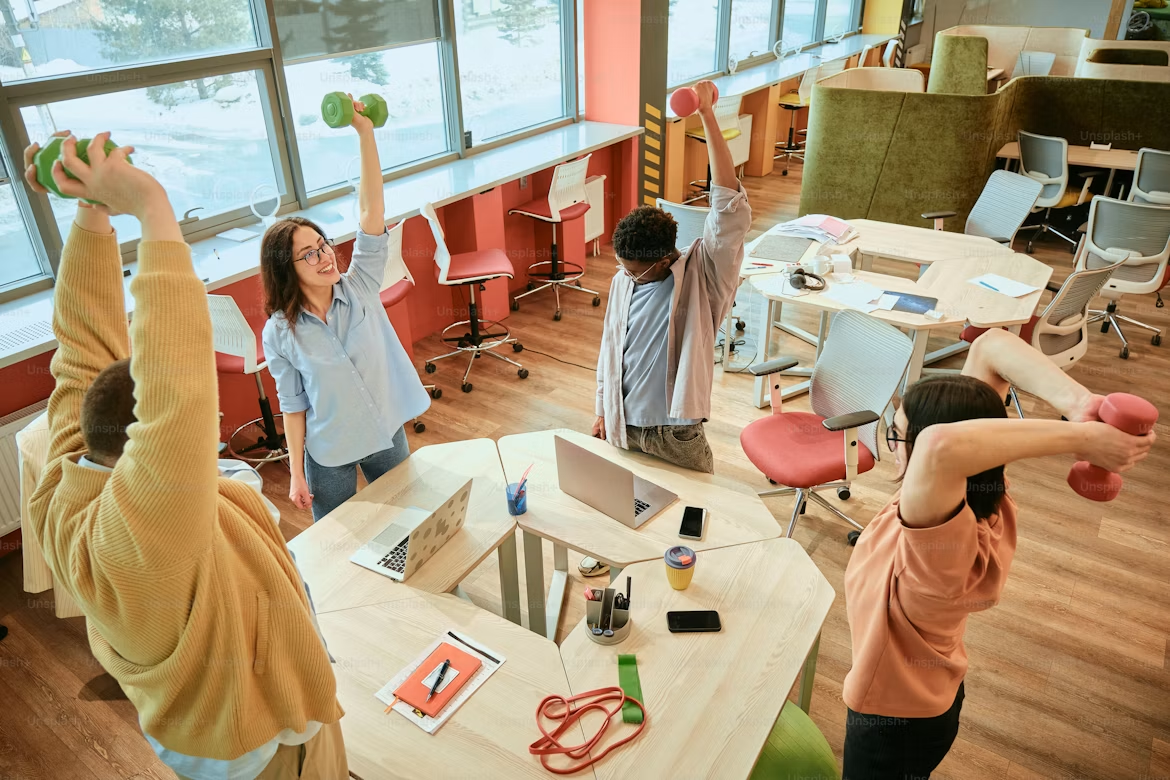
Long hours of sitting stiffen the neck, shoulders, and hips. A trainer can lead a live routine of simple desk stretches that take two minutes. Attendees also learn how to build movement breaks into the day. In the end, everyone leaves feeling looser.
A poor setup causes strain over time. This session covers chair height, monitor position, and keyboard placement. Attendees learn to adjust their workstation at the office or at home. Since many people work hybrid, both setups matter. Small tweaks reduce neck and wrist pain.
Busy schedules crowd out workouts. This talk shows employees how to fit exercise into short windows. Ideas include ten-minute routines, stair breaks, and walking calls. Further, attendees learn to set realistic goals. That way, movement becomes a habit they can keep.
Back pain is common among desk workers. A physiotherapist or trainer can explain healthy posture, core strengthening, and safe lifting. Attendees practise simple daily exercises that ease pressure on the spine and shoulders. Consequently, they can prevent aches before they start.
Walking meetings add steps and spark ideas. This session covers which meetings suit a walk, how to plan routes, and how to include remote colleagues by phone. Employees also learn how to track daily steps. Since most walks need no prep, teams can start right away.
Balance keeps your employees healthy, both in mind and body. These topics can help them reset.
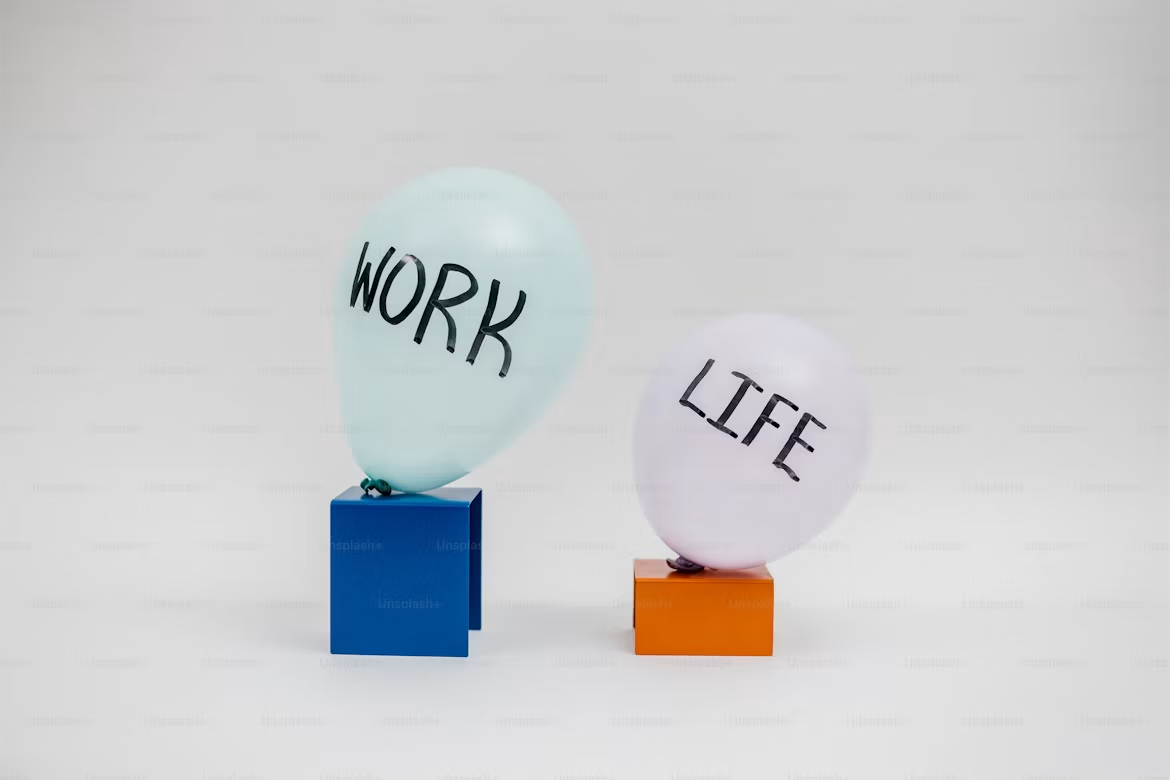
Self-care works best as a system. This session breaks it into five key factors: physical, emotional, social, mental, and spiritual well-being. Attendees assess where they stand and pick one area to strengthen. As a result, self-care becomes specific and doable.
Saying yes to everything leads to overload. This session teaches employees how to decline requests politely, protect focus time, and communicate limits.
Attendees practise sample phrases and scripts for common situations. Plus, managers learn how to respect boundaries on their team.
Home offices blur the line between work and rest. This talk covers shutdown rituals, set work hours, and separate workspaces. Attendees also learn how to manage the isolation that can come with remote roles.
Constant interruptions fragment the day. A productivity coach can teach time blocking, priority matrices, and ways to limit distractions. Attendees build a simple weekly plan during the session. For instance, they learn to schedule deep work before meetings fill the calendar.
Naturally, money stress follows people to work. This session covers budgeting, emergency savings, and the basics of debt management. A financial educator can even explain employer benefits, such as retirement plans.
Strong teams talk, support, and celebrate together. The following topics build that.
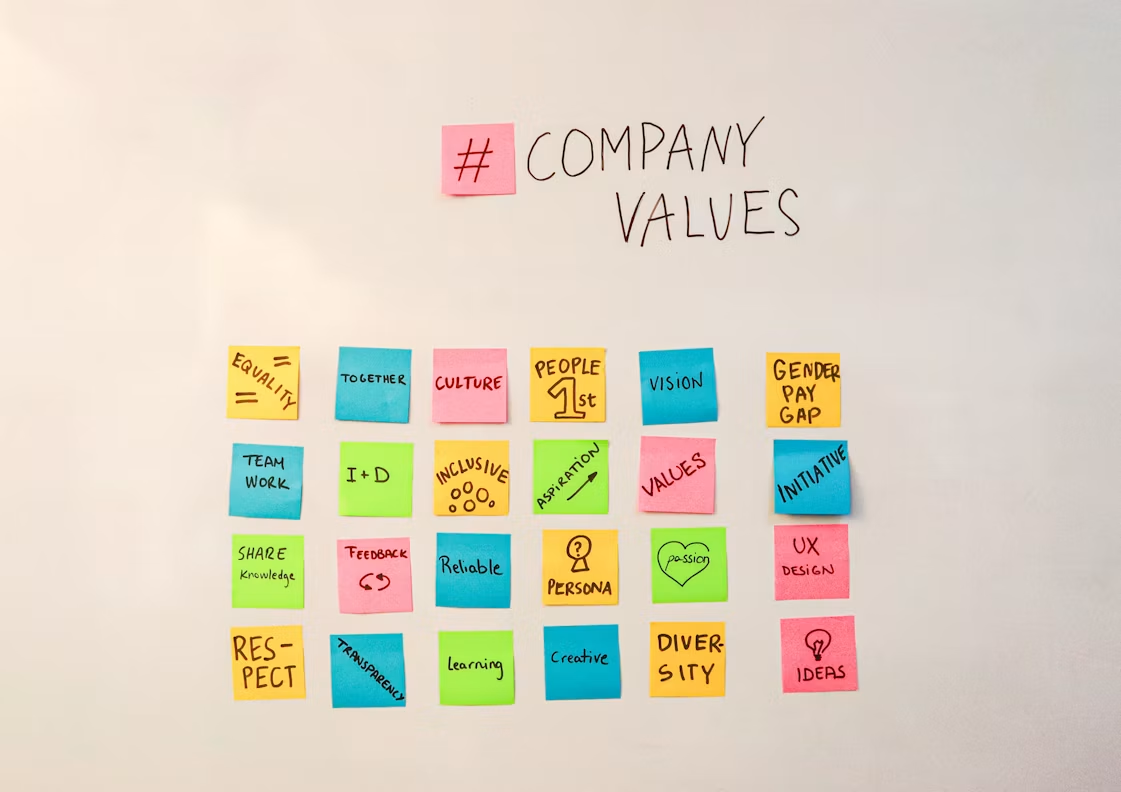
Clear communication prevents most conflict. This session covers active listening, giving feedback, and handling difficult conversations calmly. Attendees practise short role plays based on real workplace scenarios. As a result, teams resolve tension faster and build trust along the way.
Most people want to help but freeze. This session teaches employees how to notice when a coworker is struggling, start a caring conversation, and point to resources. Attendees learn what to say and what to avoid.
Recognition boosts morale at little cost. This session covers gratitude practices, such as shout-out channels, weekly wins, and thank-you notes. You learn how to make appreciation specific and regular. Over time, teams build a culture where good work gets noticed.
Many employees juggle work with care duties. This session helps teams understand those pressures and offer practical support. Topics include flexible scheduling and respectful meeting times. Fortunately, small changes can ease the load for caregivers.
Habits stick when people do them together. This session shows teams how to set shared goals, run friendly challenges, and track progress. Attendees leave with a simple plan for the next 30 days. More importantly, group accountability keeps momentum going long after the session ends.
Ready to put these lunch-and-learn topics into action? HEAL makes it easy.
Founded by holistic nutritionist Mandy King, HEAL is a Canadian corporate wellness company that delivers expert-led sessions on nutrition, mental wellness, and more.
Each session is practical, engaging, and built for busy corporate teams. Consequently, employees leave with simple habits they can use right away. HEAL also offers custom wellness plans and team challenges to keep the momentum going.
So, pick a topic from this list and HEAL’s experts will bring it to your team. Book a lunch-and-learn with HEAL today!


.avif)

.avif)
Take the guesswork out of employee wellness programs. Get a fully customized, done-for-you corporate wellness program plan tailored to your team's needs.


